
Winter driving presents unique challenges that can turn an ordinary trip into a dangerous situation. Snow, ice, freezing rain, and reduced visibility all increase the risk of accidents, even for experienced drivers. Understanding the dangers of winter driving and taking proactive steps to stay safe can significantly reduce the chances of injury, vehicle damage, and stress during the colder months.
Winter Driving Dangers
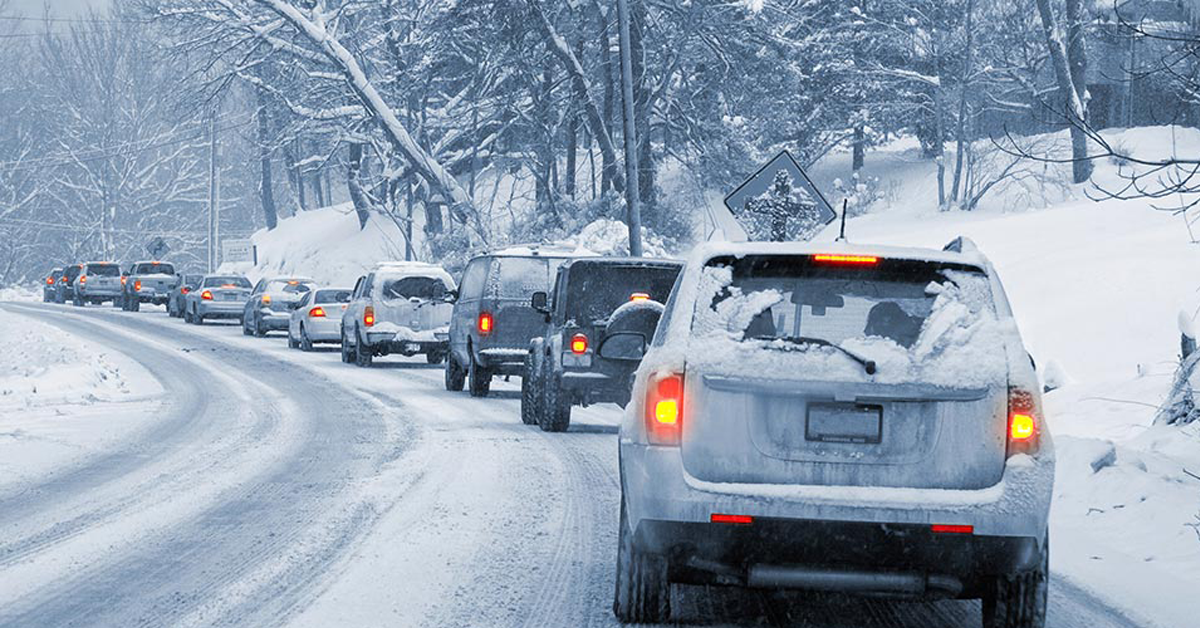
One of the most serious dangers of winter driving is reduced traction. Snow and ice make it difficult for tires to grip the road, increasing stopping distances and making skidding more likely. Black ice, which is often invisible to drivers, is especially hazardous because it can cause a sudden loss of control without warning. Bridges, overpasses, and shaded areas tend to freeze first, making them particularly risky in cold conditions.
Limited visibility is another major concern. Snowfall, fog, and shorter daylight hours can make it harder to see other vehicles, road signs, and hazards. Dirty windshields, worn wiper blades, or frozen washer fluid can further impair visibility. When drivers cannot clearly see the road ahead, reaction times decrease, increasing the likelihood of collisions.
Cold weather can also affect vehicles mechanically. Low temperatures reduce battery power, thicken engine fluids, and lower tire pressure. A breakdown in winter conditions can be more than inconvenient—it can be dangerous, especially if it occurs in a remote area or during severe weather. Drivers who are unprepared may face prolonged exposure to cold while waiting for help.
To stay safe while driving in winter, preparation is essential. Before heading out, drivers should check weather forecasts and road conditions. If severe weather is expected, delaying travel may be the safest option. Vehicles should be winter-ready, with properly inflated tires, sufficient tread depth, and fluids rated for cold temperatures. Keeping the gas tank at least half full helps prevent fuel line freeze-ups and ensures heat is available if delays occur.
Driving behavior is just as important as vehicle readiness. Reducing speed is one of the most effective ways to stay safe on winter roads. Speed limits are designed for ideal conditions, not icy or snow-covered roads. Increasing following distance allows more time to react and brake gently, reducing the risk of skidding. Sudden movements, such as sharp turns or hard braking, should be avoided whenever possible.
Knowing how to respond if a vehicle begins to skid can also prevent accidents. Drivers should remain calm, ease off the accelerator, and steer gently in the direction they want the front of the vehicle to go. Overcorrecting or slamming on the brakes can worsen the situation and lead to loss of control.
Carrying a winter emergency kit is another smart safety measure. Items such as blankets, gloves, a flashlight, water, nonperishable snacks, and a phone charger can be invaluable if a driver becomes stranded. An ice scraper, small shovel, and traction aids can help free a vehicle stuck in snow.
Finally, patience and awareness go a long way in winter driving. Allowing extra travel time reduces the temptation to rush, and staying alert to changing road conditions helps drivers adjust as needed. Watching for pedestrians, cyclists, and stranded vehicles is especially important when visibility is poor.
Winter driving can be dangerous, but many risks are preventable with proper preparation and cautious driving habits. By understanding the hazards of cold-weather roads and taking steps to stay safe, drivers can protect themselves and others. A careful approach not only reduces accidents but also brings greater confidence and peace of mind throughout the winter season. To learn more about winter driving safety, please visit this link.
If you are involved in an automobile accident, do not hesitate to contact our team. We are here to help you and your loved ones navigate this difficult situation with certainty.
Recent Comments